Sushi-ya
The sushi house. Fish, vinegared rice, the cut — nothing else.

Contents
Definition · Japanese culture
The word is everywhere, rarely explained. A ramen-ya is not « a Japanese restaurant that also does noodles »: it is a specialty house, built entirely around a single bowl. Here is what the term means, where it comes from, and how to spot the place it names.
10 min read
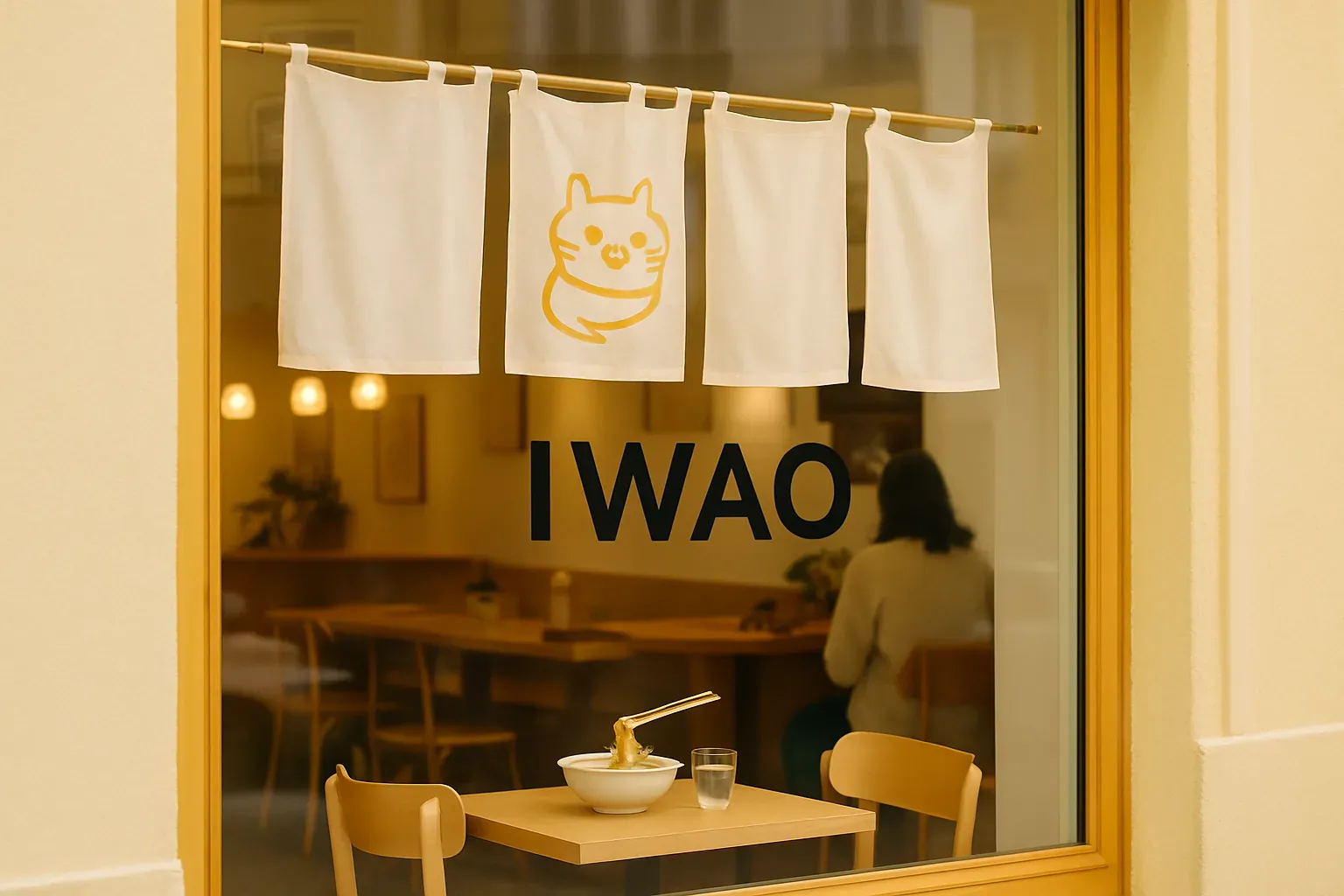
A ramen-ya (ラーメン屋) is a Japanese establishment specialised in ramen: the word joins « ramen », the bowl of noodles in broth, to the suffix « -ya » (屋), which names the shop or house of a trade. Unlike a general Japanese restaurant, a ramen-ya lives only by its broths, drawn in-house for hours, and keeps its menu tight around one thing done well. You eat fast, often at a counter facing an open kitchen. It is a specialty house — a senmonten — cousin to the sushi-ya and soba-ya.
The meaning
A ramen-ya (ラーメン屋) is a Japanese establishment entirely devoted to ramen. The word says it plainly: « ramen » for the bowl of noodles in broth, « -ya » for the shop, the house that makes it its trade. The whole place — kitchen, room, service, tempo — flows from that single specialisation.
That simple definition sets a ramen-ya apart from most Japanese restaurants seen in Europe, which serve sushi, tempura and, somewhere, a ramen. A ramen-ya builds everything around the bowl: the broth simmers for hours, the noodles are matched to it, and it is a senmonten (専門店), a specialty house — one thing, done well.
The language
The heart of the word is one syllable. The kanji 屋 (ya) means « roof », and by extension the shop or artisan of a craft: pan-ya (bakery), hana-ya (florist), hon-ya (bookshop). A ramen-ya belongs to this grammar of specialisation.
It carries a whole culture of the senmonten — the house that focuses on one trade and refines it for years — and a family of cousin shops, each vowed to a single gesture.
The sushi house. Fish, vinegared rice, the cut — nothing else.
Buckwheat noodles, cut in-house. A direct cousin in the noodle world.
The « house to sit and drink ». Small plates and alcohol — the opposite of one bowl.
The street stall (屋台). Many southern ramen-ya were born on them.
The setting
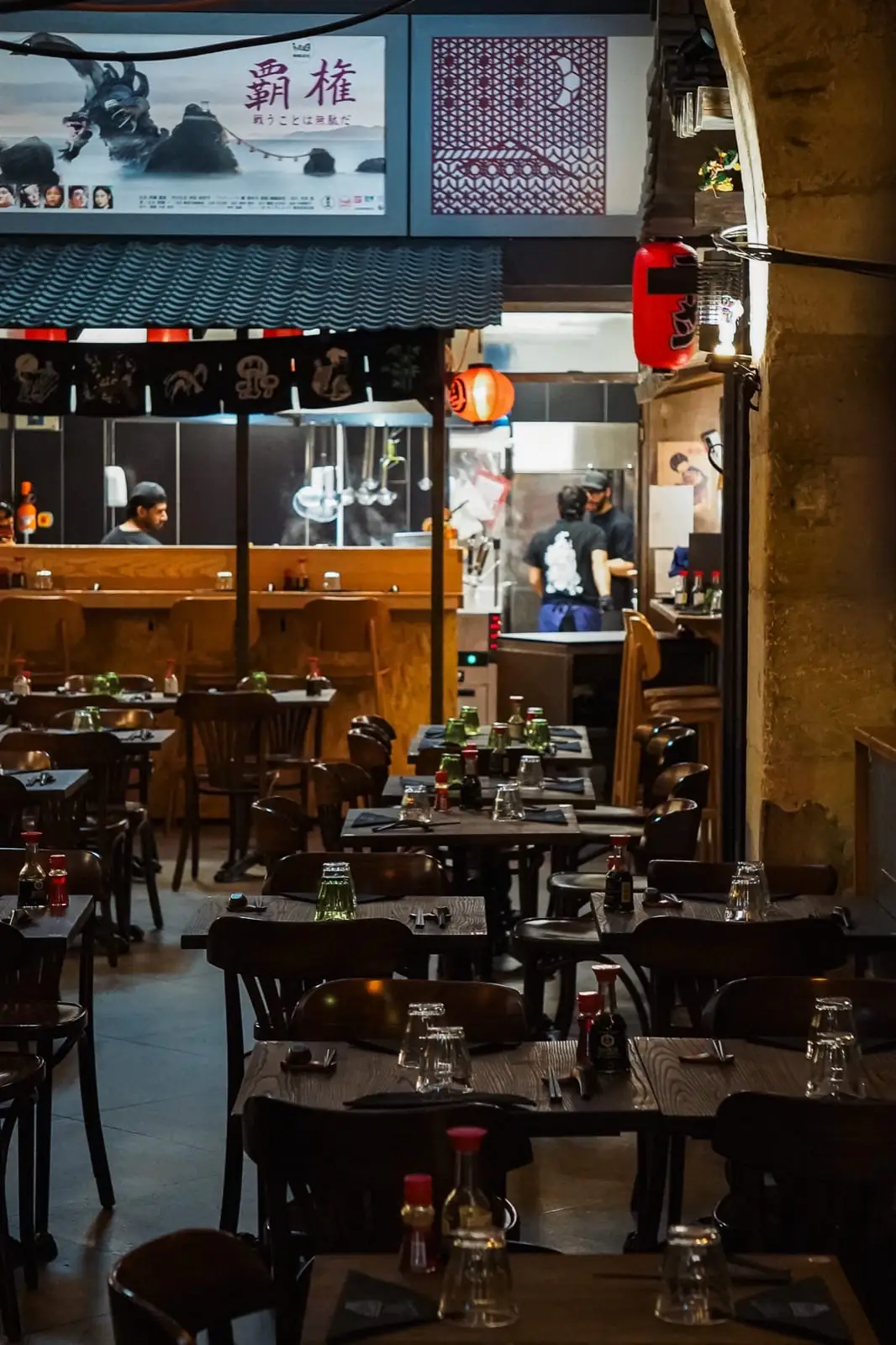
A ramen-ya is often known by its shape before the first bite. In Japan the room is narrow, built around a long counter facing the open kitchen. You sit elbow to elbow and watch the cook plate the bowl and push it toward you.
Nothing there is decorative by chance — the steam, the noodle baskets, the ticket machine by the door: all functional, built to send a hot bowl out fast. A ramen-ya is a workshop where you eat, and that honesty is part of its definition.
The obsession
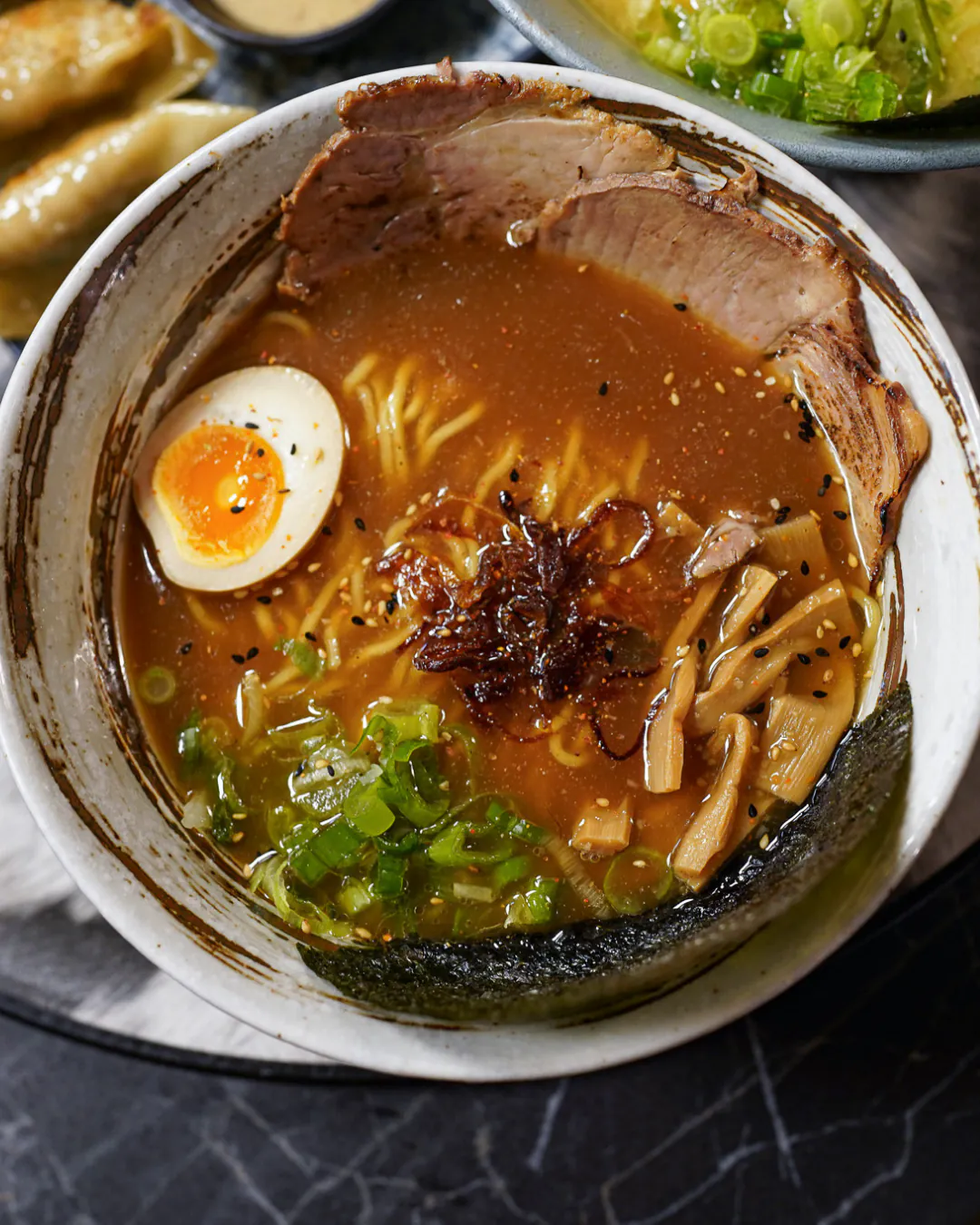
If you keep one thing from the ramen-ya definition, keep this: the broth is the identity of the house. A ramen-ya picks a base — shoyu, miso, tonkotsu, shio or plant-based — and builds everything around it, with a spoon of tare at the bottom of the bowl.
The noodles themselves are calibrated to that broth. So a ramen-ya is judged not on the length of its menu but on the depth of its broth — a pot the cook never takes their eyes off.
The schools
Because it grew region by region, ramen organised into great families, and most ramen-ya anchor in one: Sapporo miso, Hakata tonkotsu, Tokyo shoyu, a delicate shio. These are lineages of taste, not marketing labels.
Modern houses sometimes blur the lines, but the specialty logic remains: choosing a ramen-ya often means choosing a broth family first.
Soy-sauce base. Clear, saline, precise. Tokyo’s historic signature.
Fermented soy paste. Round, dense, comforting. The Sapporo school.
Pork bones simmered milky-white. Rich and enveloping. The south, Hakata.
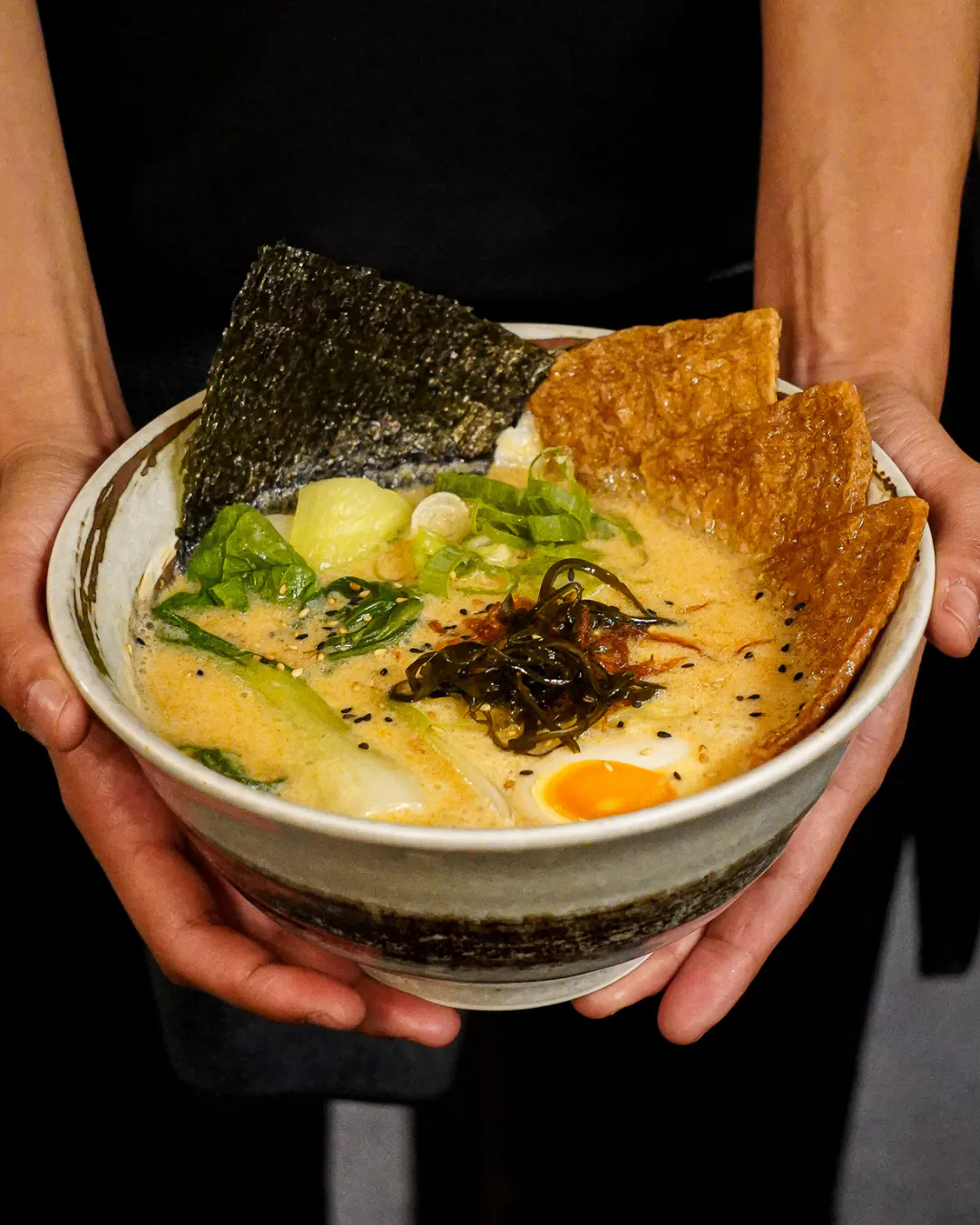
Salt or vegetable base. Delicate broths, almost consommés.
The ritual
In Japan, you often order at a machine — the shokkenki (食券機) by the door. You pick your bowl, hand the ticket to the counter, and the bowl can arrive in three minutes.
Abroad you order at the table, but the spirit is unchanged: name a broth, let the house recipe decide the toppings, take starters first. A ramen-ya's tight menu keeps ordering quick.
The rhythm
Choose a broth, pay. In Japan the machine is the menu.
Plated to the minute, pushed toward you, no waiting.
Eat hot, don’t linger, free the counter. The tempo is part of the dish.
A ramen-ya runs on a clock. The meal is short — seven to ten minutes — because the noodles keep absorbing broth once served. The whole place is tuned to it: quick order, immediate service, a counter that turns.
This is what most clearly separates a ramen-ya from an izakaya, where you linger. The ramen-ya is a focused place of passage — you eat hot, then free the seat.
Do not confuse
The word is sometimes used for « any Japanese place with noodles ». Yet an izakaya (居酒屋) is a house to drink and share small plates over a long evening; a ramen it may serve is not its subject.
Nor is a konbini's instant ramen a ramen-ya — it lacks the house broth, the specialisation, the counter. And a general restaurant that adds a ramen to a long menu is not one either: specialty makes the house.
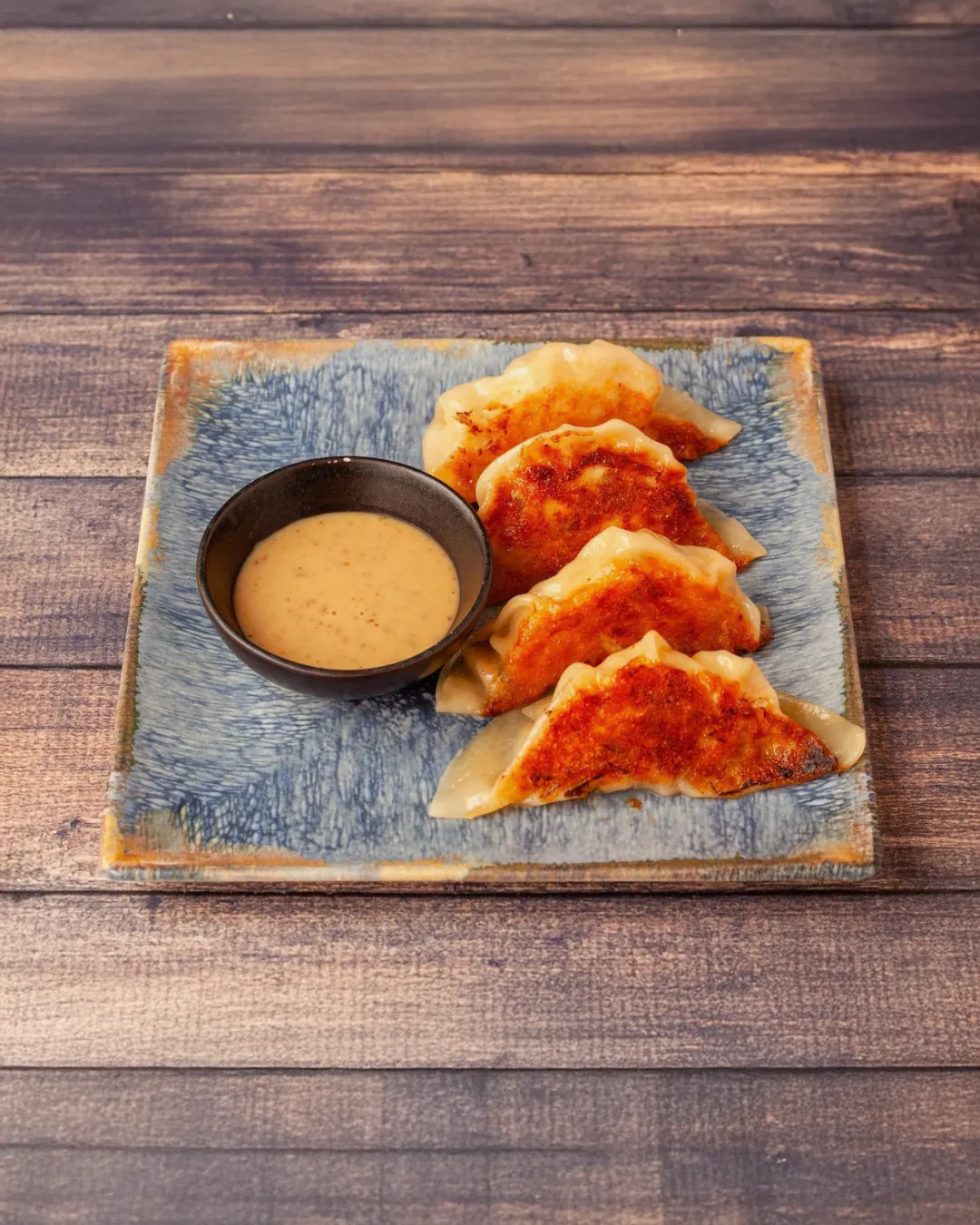
Bowl specialist. House broth, tight menu, short meal at the counter.
Drinking house. Small plates, alcohol, you linger. Ramen is just a guest.
The convenience store and its instant ramen: same dish, no kitchen behind it.
The export
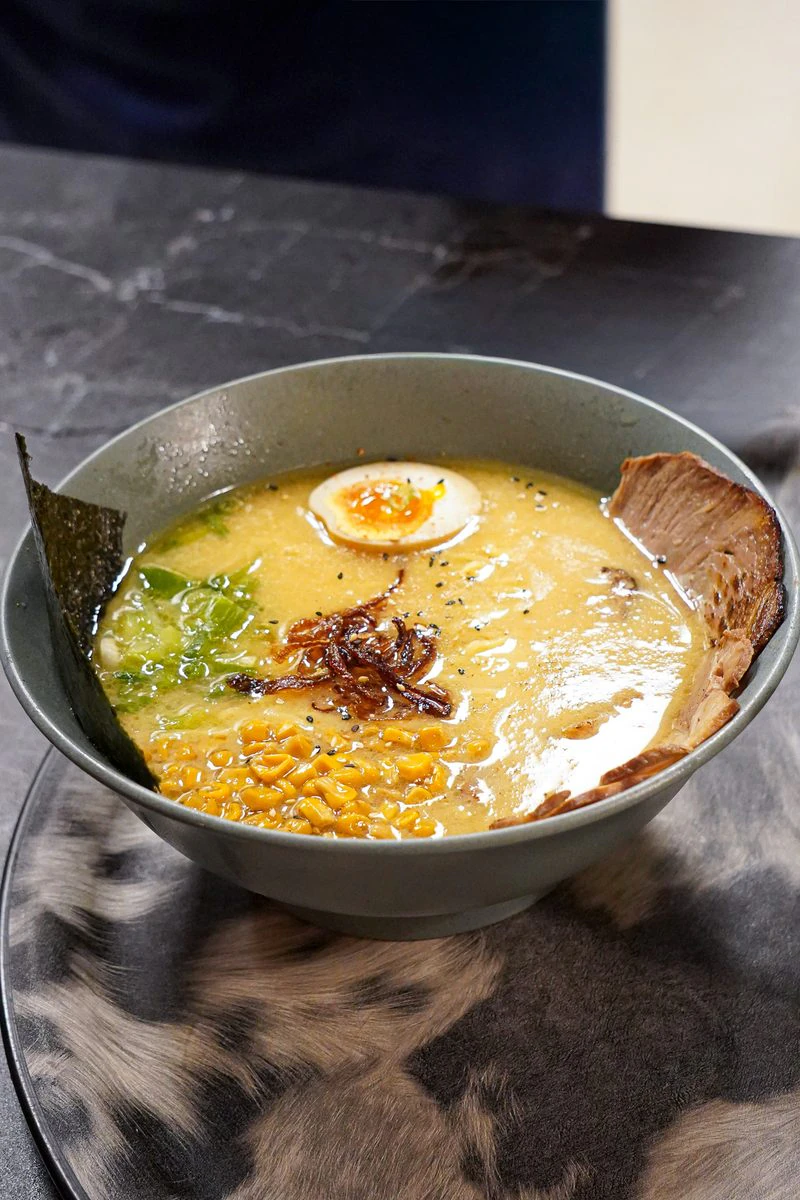
Ramen went around the world, and so did the word. But a true ramen-ya abroad keeps the original specialisation — a broth drawn on site, a menu around the bowl, a service that sends the ramen out hot.
To spot an authentic one in France, look for the same signals as in Tokyo: house broth, a menu built around bowls, a counter or open kitchen. Fidelity to the craft, not the décor, gives the word its meaning.
The markers
Gathering all of it gives a short checklist: a house-made broth, a deliberately tight menu, a fast service that protects the bowl, and a place — counter, open kitchen — built around the pots. No single marker suffices; together they draw the specialty house.
The quietest marker is the mindset: a ramen-ya owns doing one thing well. That choice — serving the broth hot, at once, as plated — is the most faithful definition of all.
Drawn on site for hours. The first and least imitable sign.
Few lines, each owned. Specialty over length.
The bowl goes out hot, without waiting. Tempo protects the dish.
Open kitchen, eater near the pots. The place brings you to the broth.
Our place
At Iwao, 27 rue Sainte in Marseille, the definition takes shape in a place. The kitchen is open: you watch the house broths simmer and the bowl leave the pass the moment it is plated. A ramen-ya in the full sense — a specialty house, built around the bowl.
If the word felt abstract, the simplest way is to come and taste it. We point you to a broth, show you the chopsticks and renge, and set the bowl before you at once. The ramen-ya definition, here, is served hot.
FAQ
Explore
Iwao's ramen from other angles, and the rest of the house.
This article is part of the house notebook, where we write about ramen, sake, table etiquette and Japanese pop culture, one topic at a time. Find every article in our Japanese food blog, and read them between two bowls.

Stage clear — table booked
The best way to understand a ramen-ya is to step through its door. Book your table at Iwao and watch the definition take the shape of a piping-hot bowl.
Or by phone: +33 4 91 54 08 27
