Chilled · reishu
8–12 °C. For aromatic ginjo and daiginjo: the cold keeps their floral, fruity notes.

Contents
Guide · Sake culture
Sake is neither wine, spirit nor beer: it is a rice alcohol with its own gestures. Tasting it well means choosing its temperature, its glass, its rhythm — and letting every sip talk to the plate. Here is how, from the first aroma to the last pairing.
10 min read
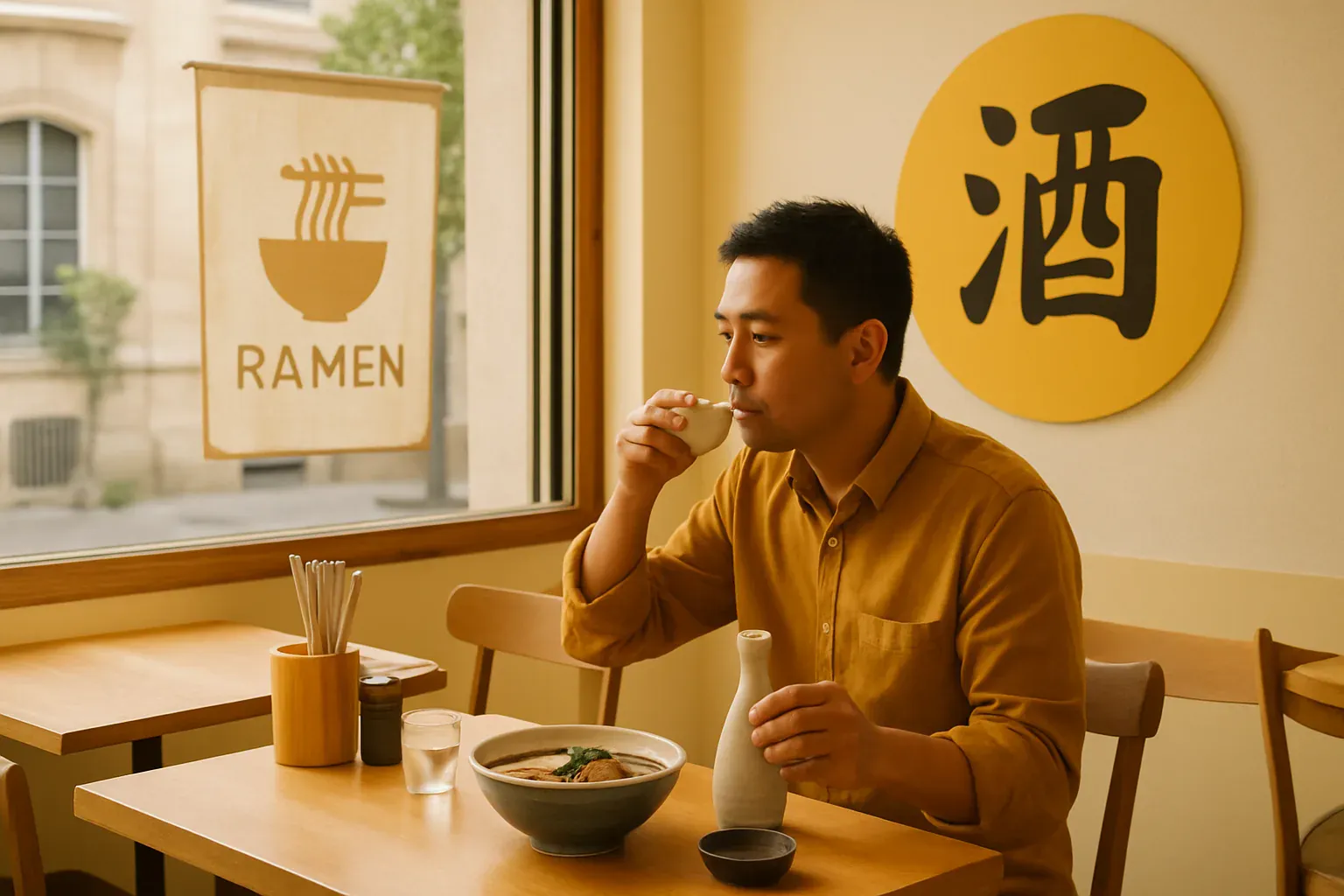
Serve sake at the right temperature — chilled (8–12 °C) for an aromatic ginjo, gently warmed (40–45 °C, the kan) for a round junmai — in a small cup that concentrates the aroma. Always serve others before yourself, take your cup with both hands, and open with a kanpai. Take time to look, smell (rice, flowers, fruit) and taste a small sip rolled across the palate. Then match the glass to the plate: a crisp sake cuts fried food, a fuller one embraces umami. The only real rule: taste before you judge, drink slowly, and talk about the glass as much as you drink it.
The right mindset
Tasting sake is not downing it like a cold beer or knocking it back like a spirit. It is a brewed rice alcohol — rice, water and a ferment called kōji — close to beer in process yet close to fine wine in finesse. Approach it with a wine-taster's attention: pour a little, bring it to the nose, sip slowly. Its temperature, glass and rhythm change everything you perceive — which is exactly what we will unpack.
The first dial
Temperature is the most dramatic dial of the tasting: the same sake tastes different at 10 °C and at 45 °C. Cold tightens and lifts the fruit; heat opens and releases the umami. Japanese has precise words — reishu (chilled), jōon (ambient), kanzake (warmed). The classic mistake is serving everything ice-cold: a ginjo falls asleep, a junmai stays restrained.
8–12 °C. For aromatic ginjo and daiginjo: the cold keeps their floral, fruity notes.
15–20 °C. The balance point where many junmai shine.
40–50 °C. For round, full sakes: heat releases the umami.
The vessel
The vessel is no detail: it shapes the nose, the amount and the ritual. Sake is traditionally poured from a tokkuri into small cups — ochoko and guinomi — which keep you serving, and toasting, often. For aromatic ginjo and daiginjo, a tulip wine glass is perfectly accepted today: its chimney funnels the aroma to the nose.
Small traditional cups filled from a tokkuri. Ideal for warm sake and for toasting often.
For a fragrant ginjo or daiginjo, a tulip glass funnels the aroma to the nose.
The gesture
In Japan you never serve yourself: you fill your neighbour's cup and wait for yours to be filled. Hold the tokkuri with both hands to pour, receive your cup with both hands too, and keep an eye on the table so no cup stays empty.
The meal opens on a kanpai — never before everyone is served. A light touch of the cups, eyes meeting, and the first sip together. When you are refilled, hold your cup up rather than leaving it on the table. Nothing stiff here — just the rhythm of an evening shared.
The method
The colour: clear, golden, or milky for a nigori.
Without swirling: rice, flowers, fruit, sometimes a lactic note.
A small sip rolled across the palate: attack, body, umami, length.
Like wine, sake is tasted in three moves: eye, nose, mouth. At the eye, note the colour — most sakes are clear, some lean golden, and unfiltered nigori are milky. At the nose — without swirling — look for the aroma families: rice and cereal, white flowers, fruit, sometimes a lactic touch. In the mouth, a small sip rolled across the palate reveals the sequence: attack, body, umami, then the finish. That reading, more than the label, tells you what you like.
The vocabulary
A sake label becomes a manual once you know the key: the rice-polishing ratio. The more the rice is polished, the finer and more aromatic the sake. Add one distinction — junmai (“pure rice”, no added alcohol) or not — and you can place any bottle. Honjozo is light and dry; junmai round and savoury; ginjo floral and fruity; daiginjo the most delicate. No style is “best”: each calls for its own temperature, glass and plate.
“Pure rice”, no added alcohol. Round, savoury, rich in umami — lovely warmed.
More polished rice, cold fermentation. Floral and fruity: serve chilled.
Rice polished to the extreme. The finest and most aromatic.
Unfiltered, milky and sweet. A velvety texture, great against spice.
At the table
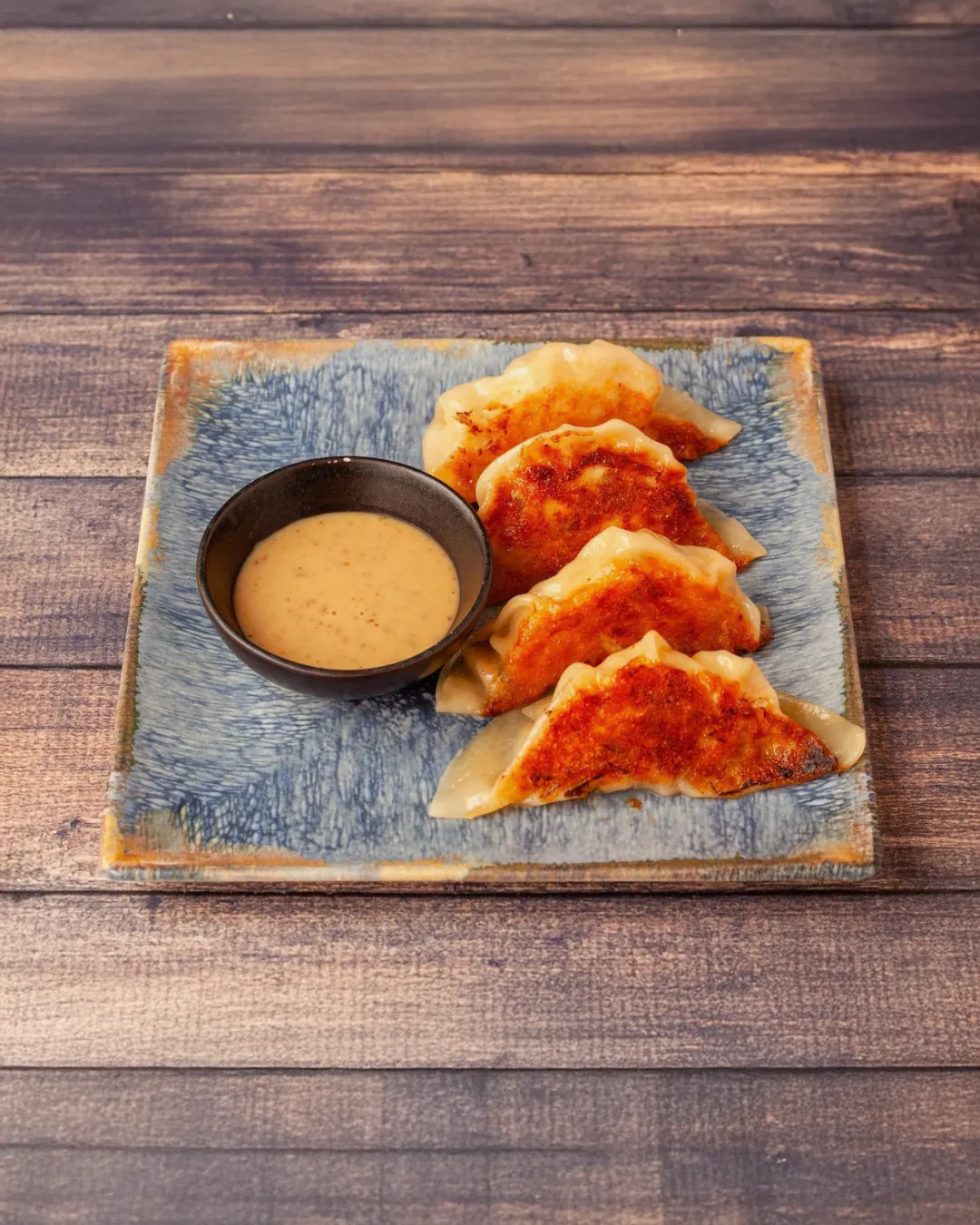
Sake is at its best at the table, and its secret weapon is umami: where wine can clash with raw fish, seaweed or soy, sake embraces them. Picture a dial: a crisp, dry sake cuts the richness — perfect on fried karaage or crispy tofu; a fuller, rounder one reaches for depth — it suits miso-glazed eggplant or a simmered dish. Serve the first well chilled, the second barely warmed, and move between bite and sip.
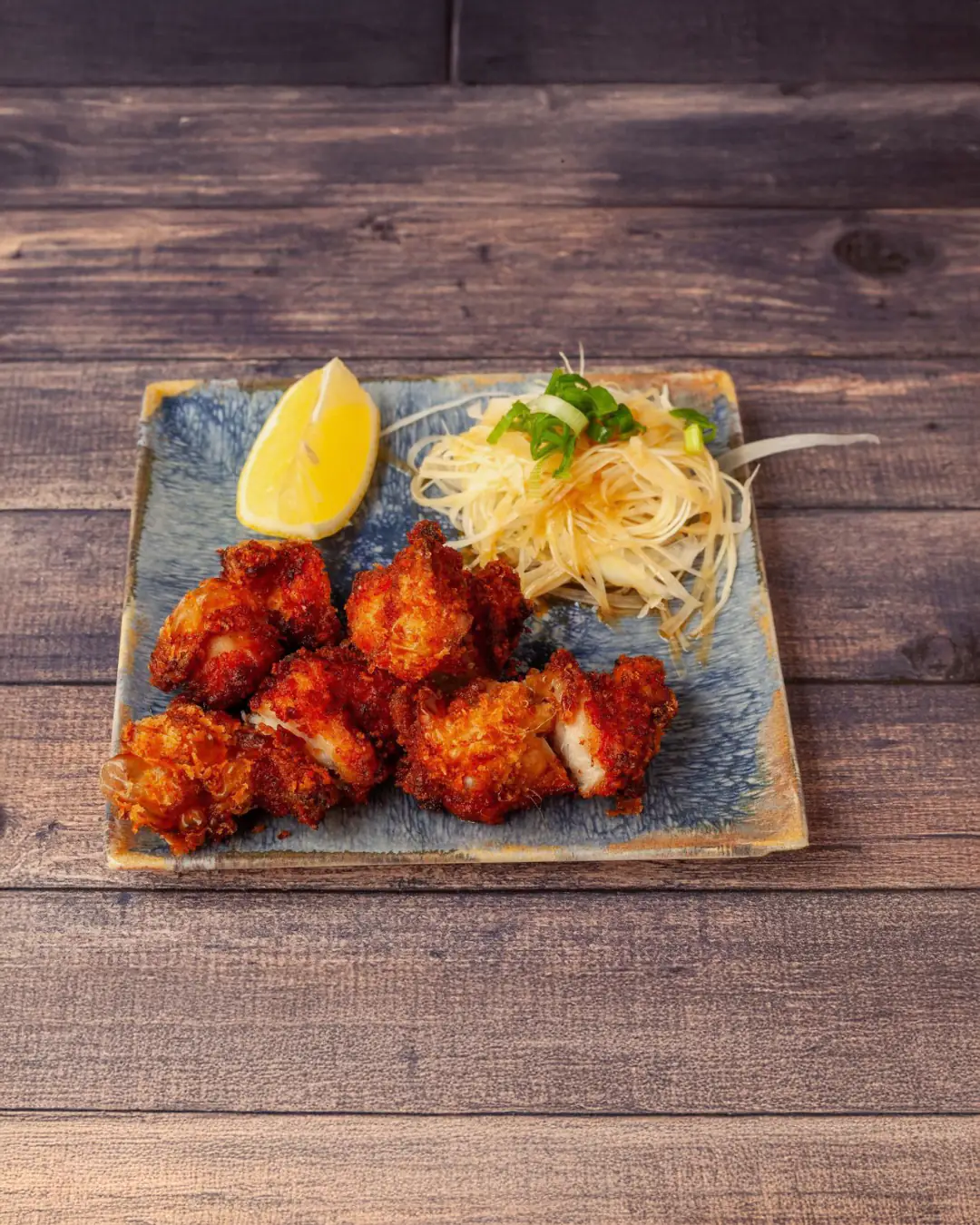
Crisp Japanese fried chicken: richness and crunch call for a lively sake.
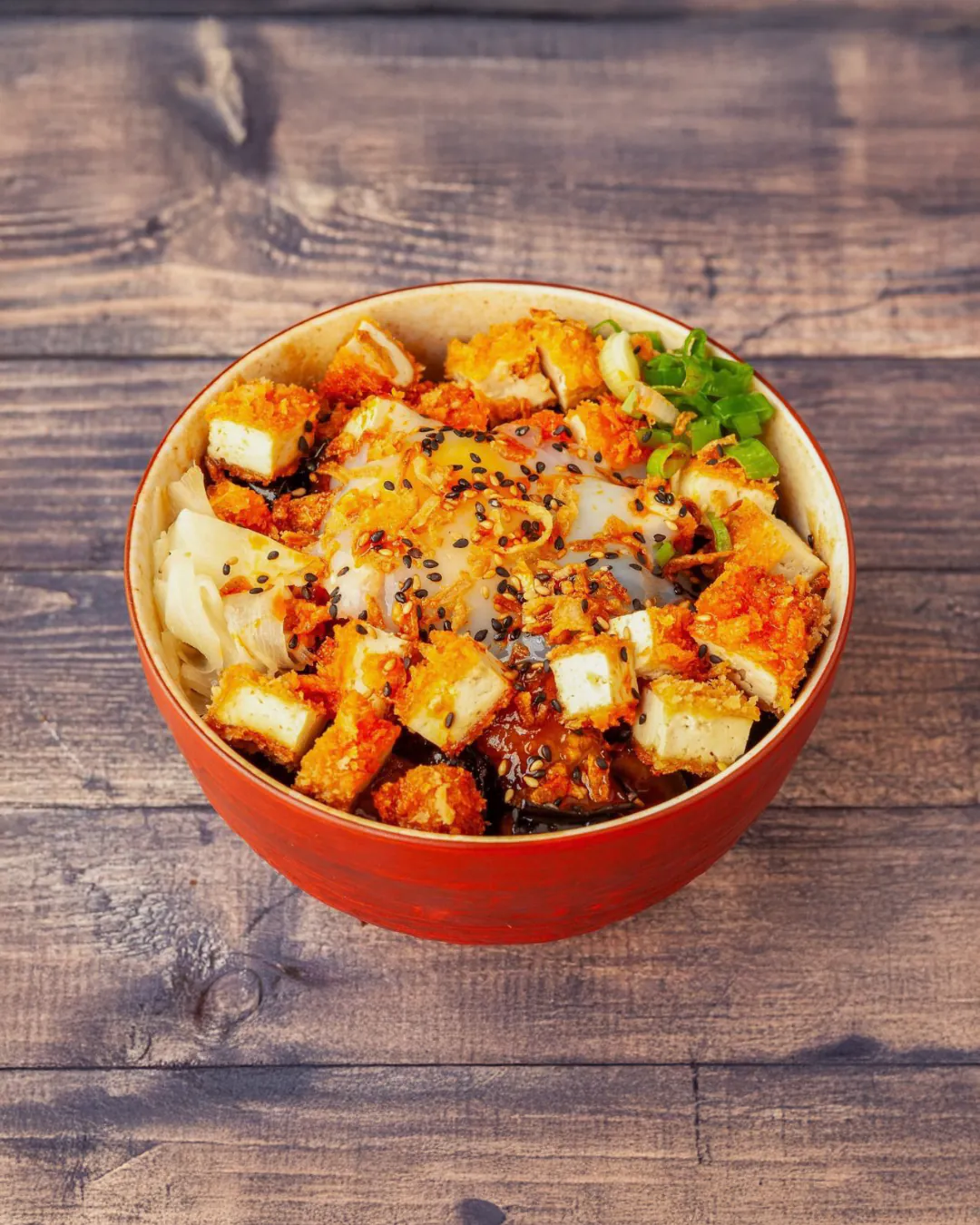
Melting under a golden crust: a contrast carried by a round, supple sake.
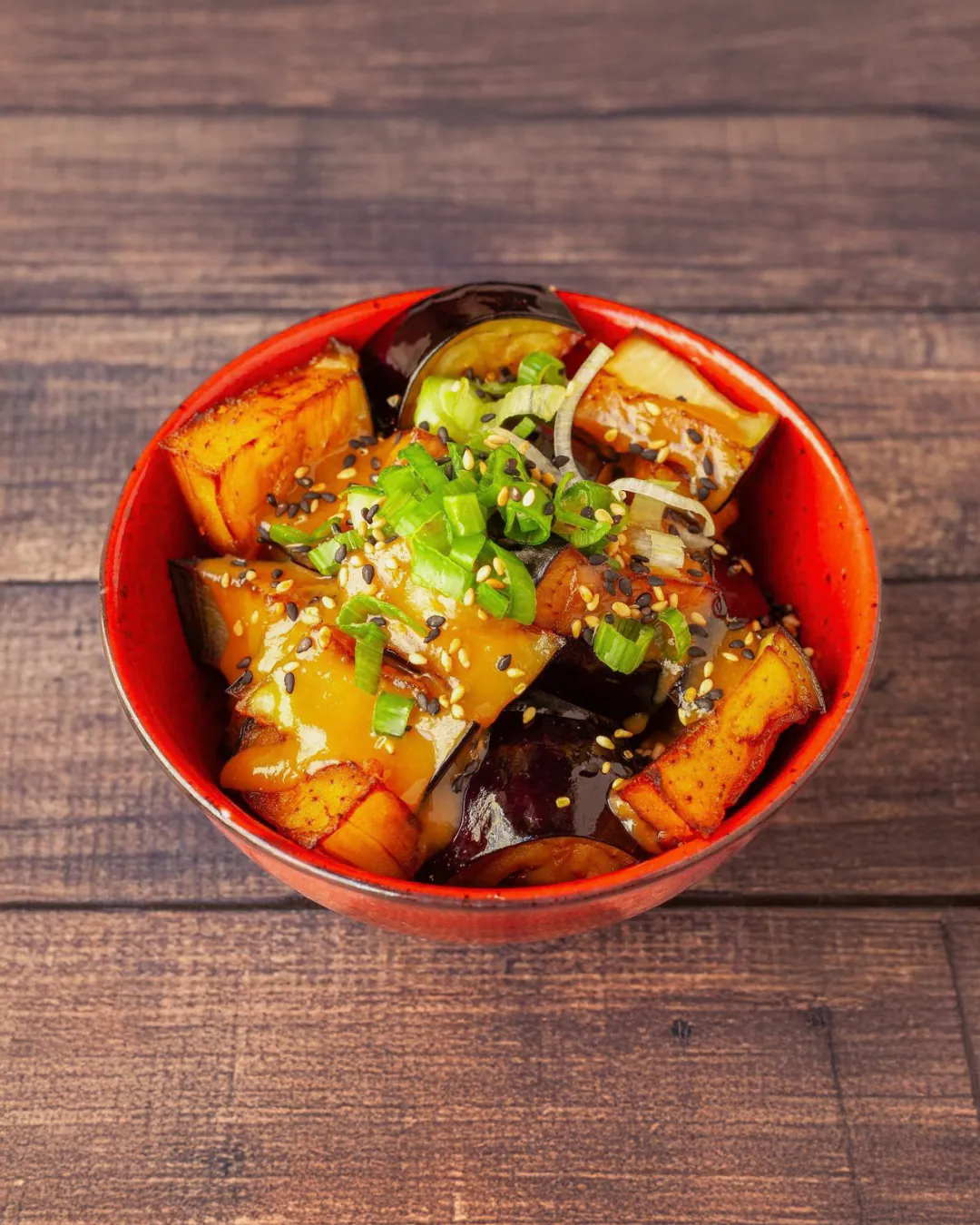
Sweet and umami: its depth embraces a fuller-bodied sake.
Conviviality
Sake etiquette is less a rigid code than a choreography of conviviality: you serve others, receive with both hands, open on a kanpai. A few nuances complete it — alternate food and sake rather than mixing them in one mouthful, chill a fine bottle in an ice bucket rather than with ice cubes, and finish an opened bottle within a few days. None of it is compulsory; it simply makes the tasting more generous. The best reflex stays curiosity — ask the style, the ideal temperature, the pairing.
The traps
Most slips come from treating sake as a wine, or as a shot. It is served too cold out of habit, drunk too fast out of unfamiliarity, chosen at random for lack of bearings. The most stubborn belief is that a “premium” sake must be iced and neat, and that a warmed sake is lesser — false: kanzake is an art, and beautiful junmai only open at 45 °C. You learn sake sip by sip; the point is to taste and remember what you liked.
Cold dulls a ginjo and restrains a junmai. Match temperature to style.
Sake is not a shot. Pour little, smell, roll the sip. Slowness is half the pleasure.
Kanzake is an art. Great junmai only open at 45 °C.
At our place
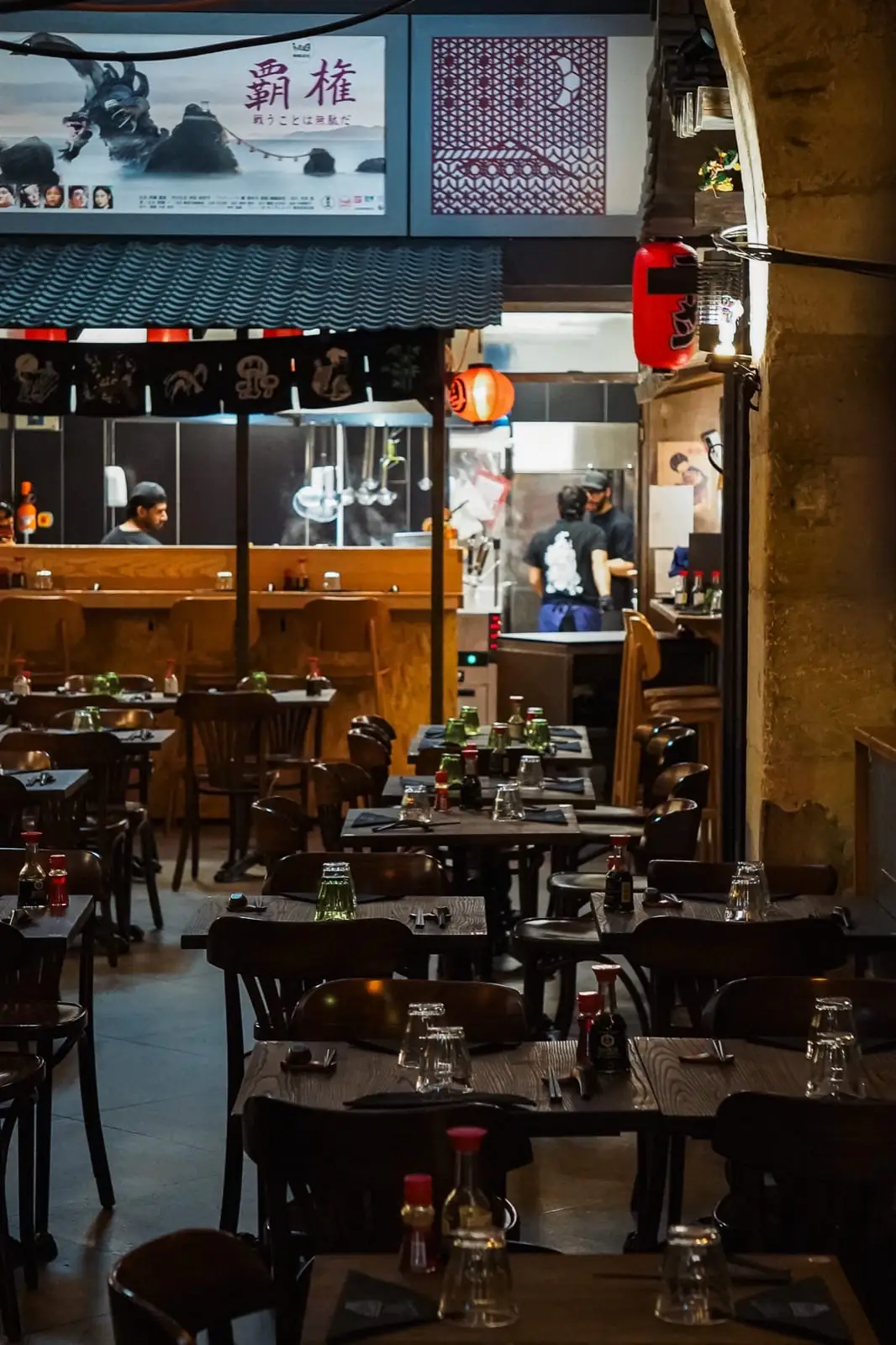
At Iwao, 27 rue Sainte in Marseille, sake is served the proper way: chilled or warmed by the bottle, at the counter, under red lanterns, facing the open kitchen. We ask what you like, suggest a temperature, propose the pairing your plate calls for. It is a true izakaya, where the glass is as much a part of the room as the posters and the manga.
New to it? Just say so. The team will steer you to a style — a fresh, fragrant ginjo to begin, a round junmai barely warmed to go further — and show you how to serve, smell and taste it. The counter is the best seat for a toast. The rest comes on its own, from the very first glass.
FAQ
Explore
Iwao's sake from other angles, and the rest of the house.
This guide is part of the house notebook, where we write about ramen, sake, table etiquette and Japanese pop culture, one topic at a time. Find every article in our Japanese food blog, and read them glass in hand.

Stage clear — table booked
The best way to understand sake is still to taste one, served the proper way, a dish in front of you. Book your table at Iwao and come raise a glass.
Or by phone: +33 4 91 54 08 27
