Shoyu 醤油
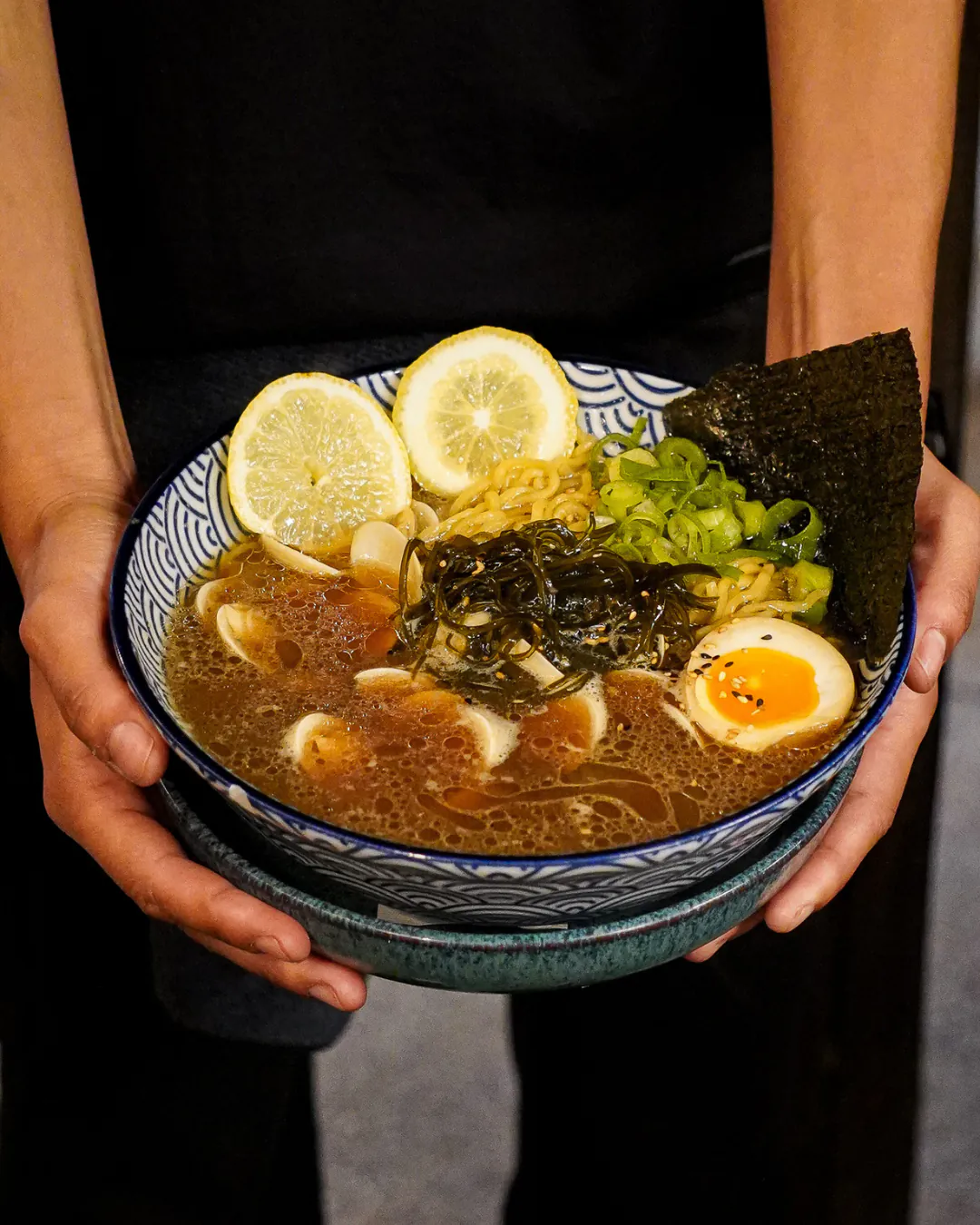
Soy-sauce tare. A clear, amber, saline bowl. The most classic base, born in Tokyo.

Contents
Guide · Japanese food
Two bowls, one clear and amber, one brown and opaque, and one question: what truly sets them apart? Not the broth, but a quiet ingredient at the bottom of the bowl. We follow the thread, from tare to the last noodle.
10 min read
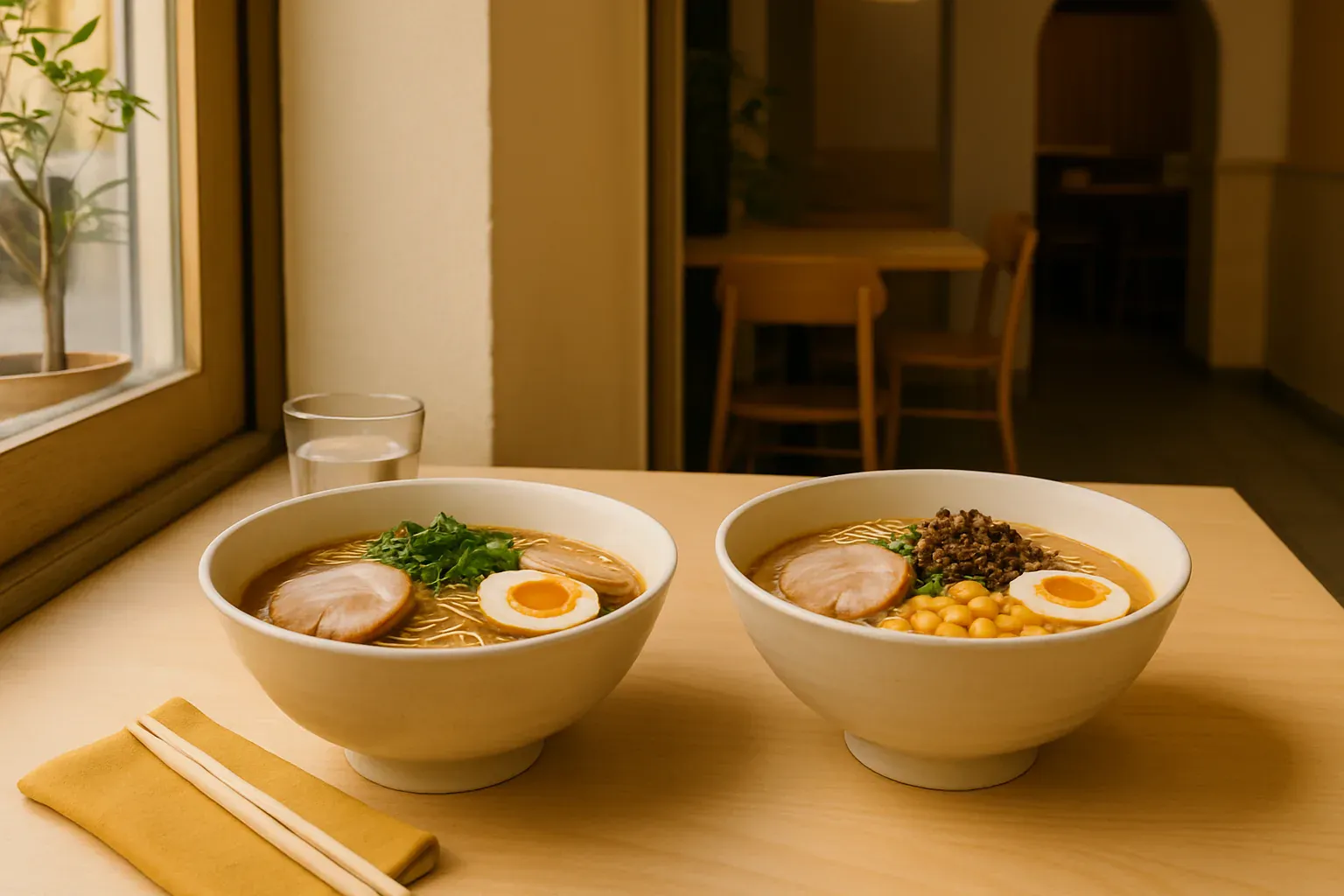
The difference between shoyu and miso ramen is not the broth itself but the tare — the seasoning base at the bottom of the bowl: shoyu seasons it with soy sauce, miso with fermented soybean paste. Shoyu gives a clear, amber, saline bowl, precise and clean, born in the stalls of Tokyo. Miso gives an opaque, dense, round bowl, deeply umami and slightly sweet, born in the cold of Sapporo. Shoyu is drunk with the spoon and pairs with thin noodles; miso coats thicker noodles and welcomes corn, butter and garlic. Neither is better: shoyu favours finesse, miso comfort — choose by mood and season.
The starting point
Faced with two ramen bowls — one amber and clear, one brown and opaque — one question keeps coming back: where does the difference between shoyu and miso ramen come from? The answer is one word, and that word is not «broth». It is the tare, the concentrated seasoning laid at the bottom of the bowl before the broth is even poured. Shoyu and miso name that tare — one soy-based, one fermented-soybean-based — far more than the broth carrying them.
It changes everything on the palate. Two houses can draw the very same broth, then pour it over a shoyu tare in one bowl and a miso tare in the other, and hand you two ramen that taste nothing alike. Understanding this is how you stop guessing on a menu and start knowing what you like.
The mechanics
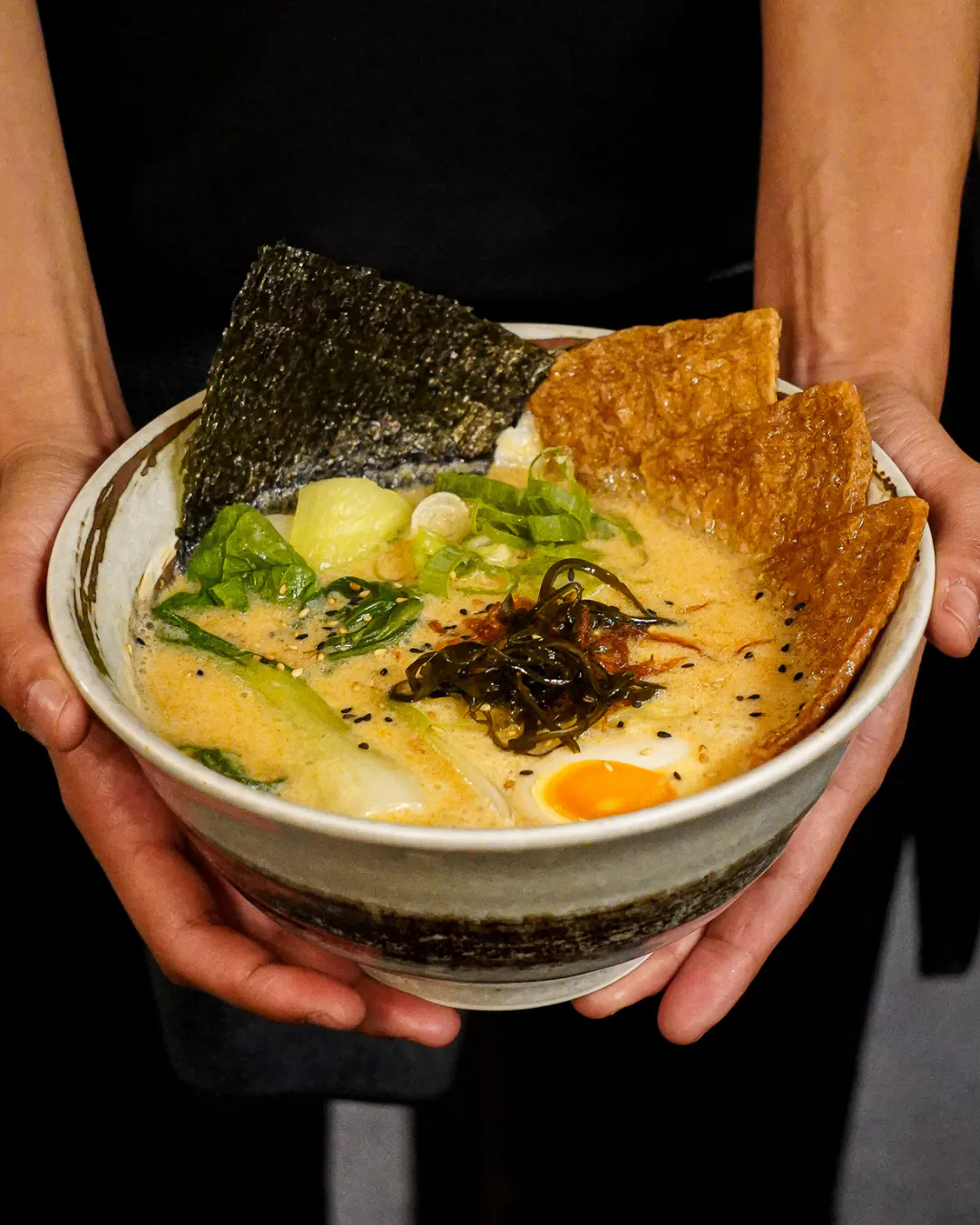
The tare is the least showy and most decisive secret of a ramen bowl. Invisible under the broth, it concentrates salt, umami and character, and signs the family the bowl belongs to. Shoyu, miso and shio (salt) are its great bases.
Their nature explains the rest. Soy sauce is a clear, sharp fermented liquid that seasons without thickening: the bowl stays fluid and transparent. Miso paste is a fermented solid you dissolve: it adds body, a velvety opacity and a malty sweetness soy sauce lacks. One seasons, the other enriches.
Soy-sauce tare. A clear, amber, saline bowl. The most classic base, born in Tokyo.
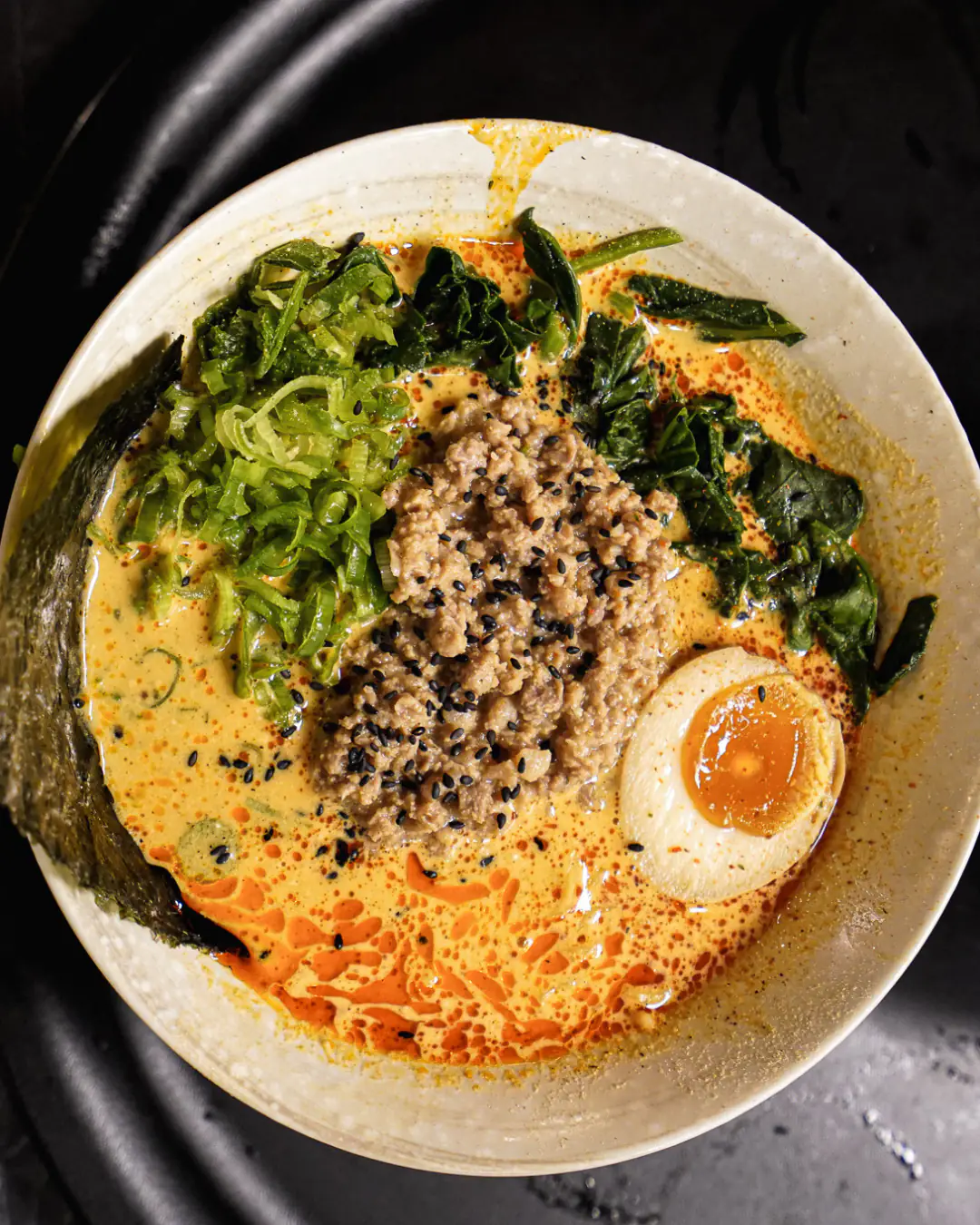
Fermented-soybean-paste tare. Opaque, dense, round, deeply umami. Born in Sapporo.
Salt tare. The lightest and clearest of the three — the quiet cousin of shoyu.
Chicken, pork, fish or vegetables: the same base can carry either a shoyu or a miso tare.
The clear bowl
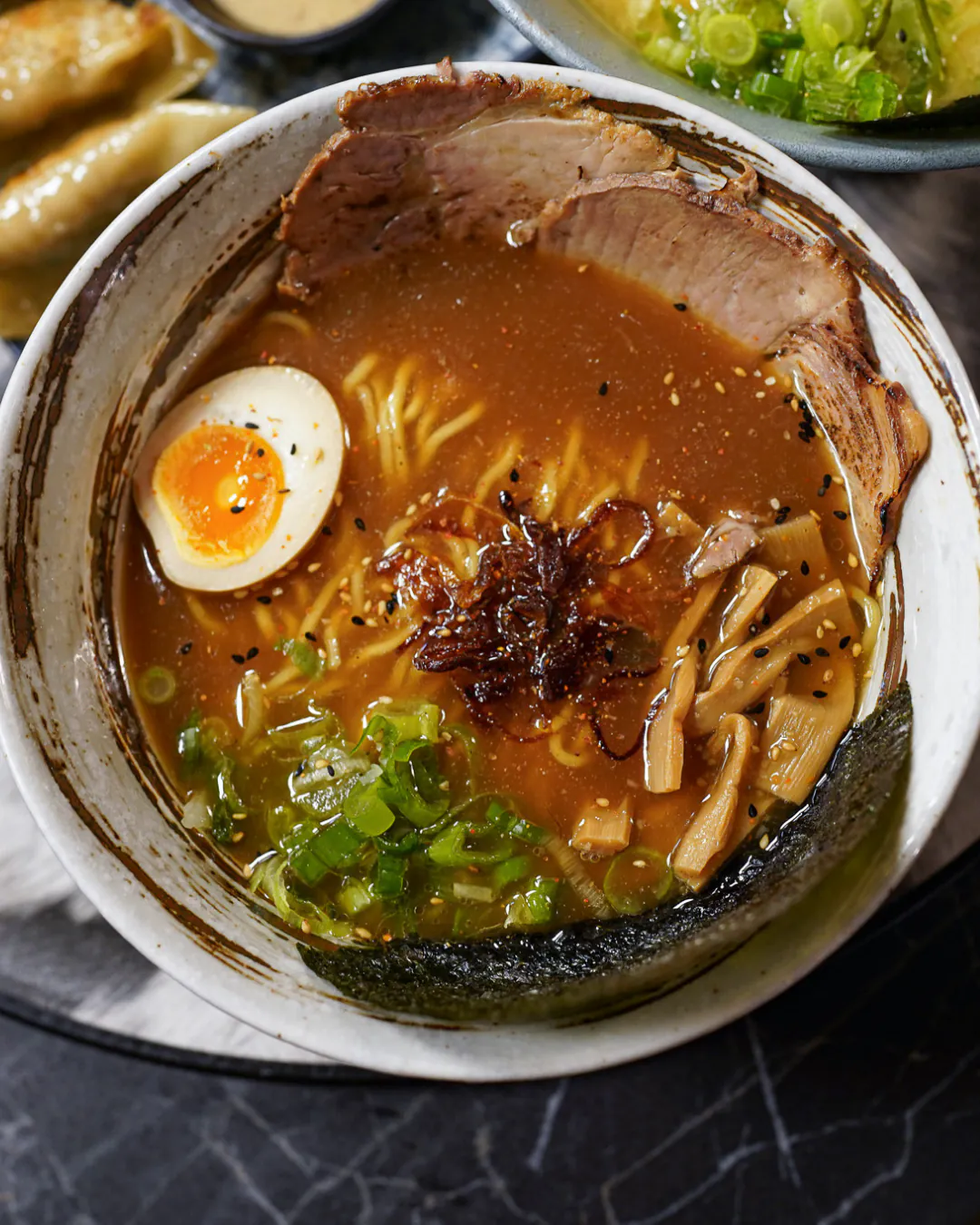
Shoyu ramen is the oldest face of modern ramen: the bowl of Tokyo's stalls, the one you picture when you say «ramen». Its broth — often chicken and pork bone, sometimes lifted by dried-fish dashi — stays clear and golden. The soy tare gives it a frank salinity, a clean depth, an almost mineral edge that showcases the broth rather than masking it.
It is a bowl of precision, drunk with the spoon because the broth needs no correcting. The noodles are traditionally thin and straight, the toppings sober: chashu, bamboo shoots, nori, spring onion, marinated egg. It is the ramen of clarity — the one to start with, because it tells you plainly what a broth can do.
The dense bowl
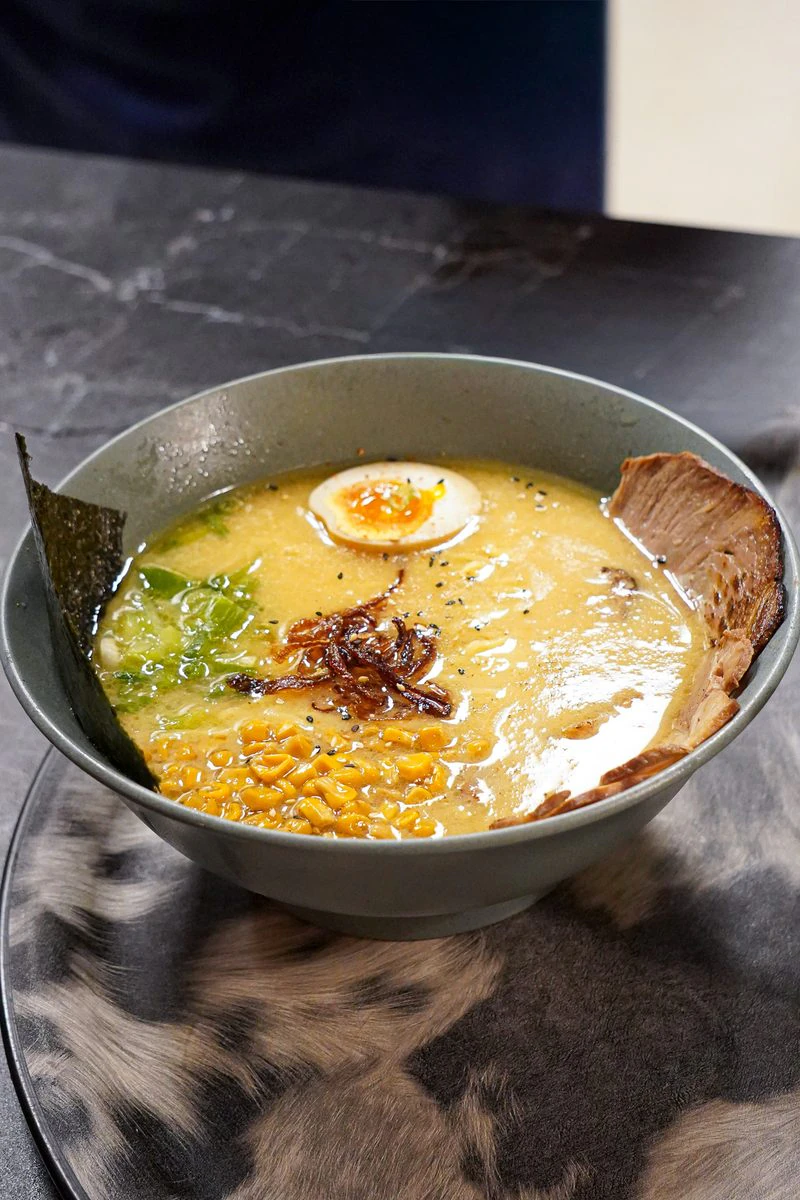
Miso ramen is younger and more northern. It was born in Sapporo, on Hokkaidō, around 1950-60, in a climate where winter calls for food that fills you. Dissolving miso paste changes the broth: the bowl turns opaque, almost creamy, and gains a dense, slightly sweet, malty umami. Where shoyu cuts, miso wraps.
It is a generous bowl built to warm you. The richer broth calls for thicker, wavier noodles that catch it, and the toppings follow that indulgence — corn, butter, wok-fried bean sprouts and cabbage, garlic, minced pork. Miso is roundness owned: comfort rather than finesse.
The face-off
Side by side, the two bowls draw two philosophies. Shoyu aims for cleanness: it removes, refines, leaves air. Miso aims for fullness: it adds, coats, fills. One reads like a characterful consommé, the other like a simmered dish. Neither is a lesser version of the other.
On almost every axis they oppose term for term — colour, texture, aroma, mouthfeel, noodle type, even the season you prefer them. Here are the three fault lines that let you tell them apart on their own.
Shoyu, clear amber, saline and precise. Miso, opaque and velvety, dense and slightly sweet.
Shoyu cuts and refreshes the palate. Miso coats and satisfies. One airs, the other fills.
Shoyu, thin and straight. Miso, thicker and wavier to catch a richer broth.
The glance
You can often tell a shoyu from a miso before tasting. Colour first: shoyu lets you see the bottom of the bowl through a bright amber liquid, while miso stays opaque, a warm brown edging on caramel. Surface next: shoyu shows clean beads of fat on a limpid broth; miso wears a thicker, more even veil that coats the spoon.
Aroma settles it. Shoyu rises in toasted, saline soy notes; miso breathes something deeper and fermented, a round sweetness of nut and bread. And the toppings often give the family away — corn, melting butter or wok-fried greens lean miso; a sober nori-and-menma bowl leans shoyu.
Around the broth
Thin and straight for shoyu, thicker and wavier for miso.
Discreet and aromatic in shoyu; butter, garlic and pork owned in miso.
Shoyu is drunk with the spoon; miso is alternated with vegetables so it never cloys.
The difference runs through the whole bowl. Being lighter, shoyu suits thin noodles that keep the broth first. Miso, more robust, calls for thicker, wavier noodles whose rough surface holds the broth. Serve a miso on noodles too thin and the bowl loses its balance.
Fat and toppings follow suit. A shoyu wants a discreet aromatic oil and a clean garnish; a miso welcomes butter, garlic, minced pork and corn. So they are eaten a little differently: shoyu you drink, miso you alternate with fresh vegetables that refresh the palate.
The choice
So, shoyu or miso? Less a hierarchy than a mood and a moment. For a first ramen, or when you want to understand what a broth is made of, shoyu is the better guide: its clarity hides nothing. It also suits lighter meals and hurried lunches.
Miso wins the moment you want comfort. A winter evening, a big appetite, a bowl that fills you — that is its ground. It is richer, sweeter, and more forgiving of add-ons. Best of all: taste both a few days apart, and let the comparison reveal your preference.
Two geographies
Behind the two bowls lie two geographies. Shoyu is the child of Tokyo and its post-war stalls, the «standard» ramen the rest of Japan adopted; miso is Sapporo's signature, invented on Hokkaidō to face the snow. Travelling from one ramen-ya to another is a little like travelling south to north — from finesse to comfort.
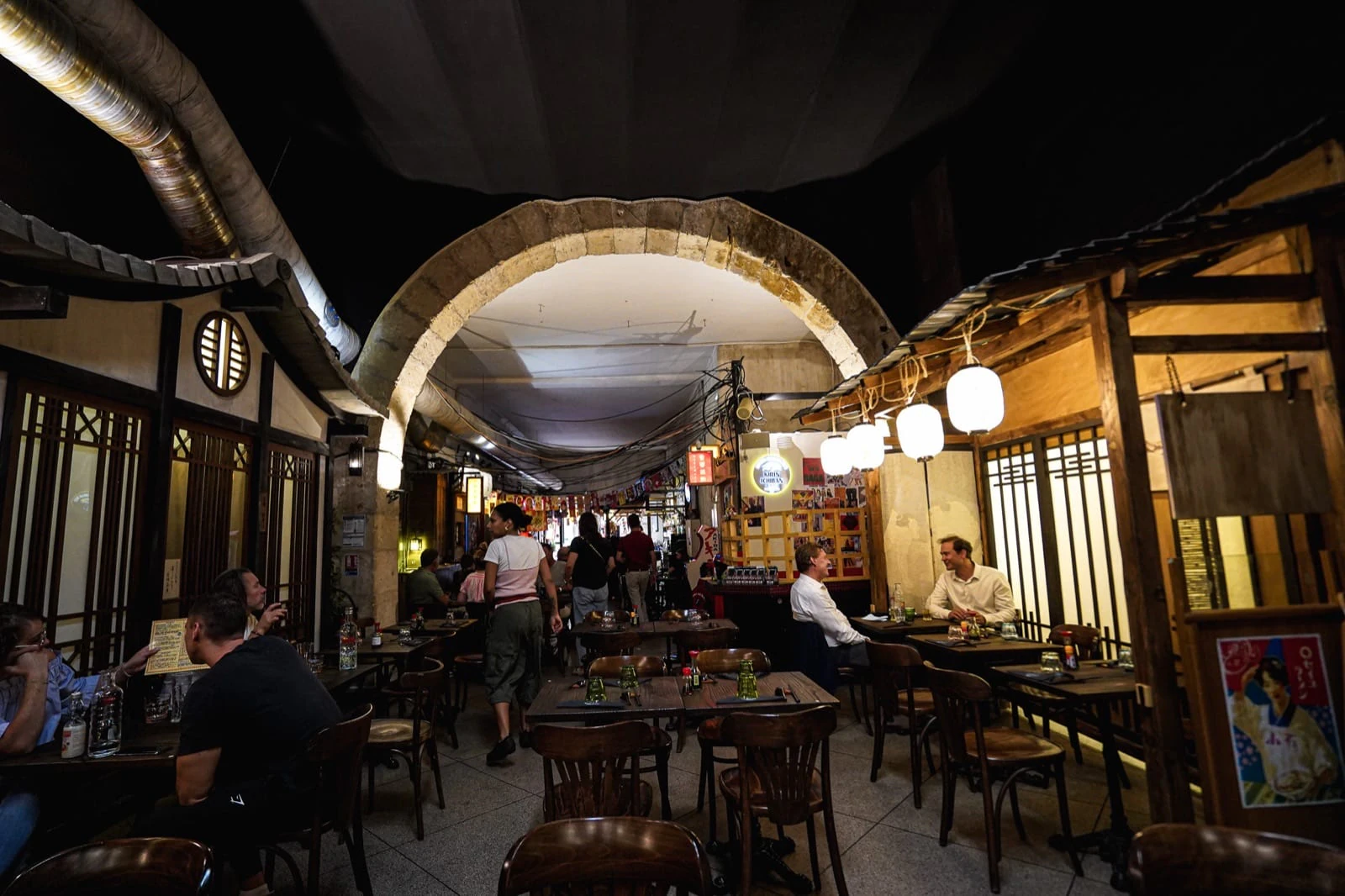
At Iwao in Marseille, both families meet at the same counter. You can go from a clear shoyu at lunch to a generous miso the next evening. That is the point of a ramen-ya that draws its broths in-house: the base is the same, and the tare decides, at the last second, which bowl reaches you.
At our place
At Iwao, 27 rue Sainte in Marseille, shoyu and miso are not boxes on a menu but two ways of telling the same craft. Our broths are drawn in-house in the open kitchen you can watch from the room; the tare is chosen at the order. Want to understand the difference? Order both and let your palate sort it out.
If you hesitate, say so: the team will point you to the bowl that fits your mood — the clarity of shoyu or the roundness of miso — and explain what sets them apart in your own bowl. There is no wrong choice, only the one that suits you tonight.
FAQ
Explore
Both bowls in detail, and the rest of the house.
This article is part of the house notebook, where we explore ramen from every angle — broths, gestures, history and Japanese culture. Find every topic in our Japanese food blog, to read between two bowls.

Stage clear — table booked
The best way to settle shoyu versus miso is still to taste both. Book your table at Iwao and compare the two bowls side by side.
Or by phone: +33 4 91 54 08 27
